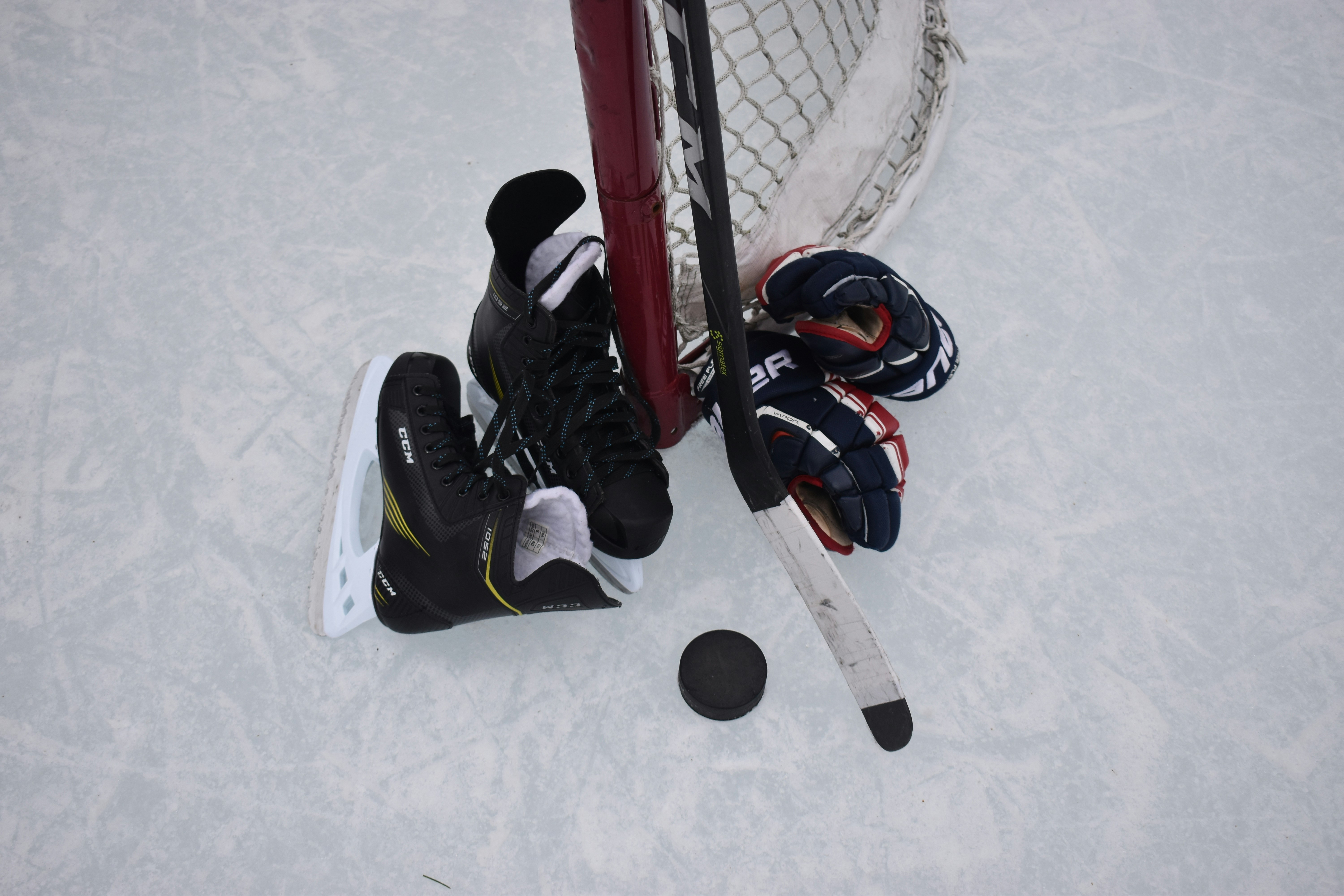
Last weekend, I found myself standing along the boards at my nephew’s hockey tournament (and wow- he’s so good!), soaking in the energy of a busy rink. Kids were flying across the ice, parents were bundled in team colours, and the whole place had that familiar mix of cold air, noise, and excitement.
Then, almost suddenly, the atmosphere shifted. A parent on the opposing team began pounding on the glass, swearing at the referee, and shouting at nearby parents. As someone who isn’t deeply immersed in hockey culture, the intensity caught me off guard, especially since I was sitting there with my three kids, all under the age of eight.
I looked over at my sister-in-law, who just shrugged and said, “It happens at least once every game.” We ended up chatting about why this happens so often, and I joked, “I should write a blog about it.”
Well… here we are.
While the reaction felt out of place in the context (a group of sweet 10-year-olds playing hockey) it also made sense from a mental health perspective. Youth sports are emotional spaces, filled with hope, stress, investment, and split-second action. What I witnessed wasn’t unusual; it reflected patterns we often see in high-arousal environments. And understanding what’s happening beneath the surface can help us approach these moments with more clarity and compassion (and may also provide those who struggle to stay regulated, with some understanding about what’s happening in their body).
Why Emotional Reactivity Occurs During Hockey Games
Parental anger at youth sporting events often isn’t about a single call or moment, it typically reflects a combination of emotional, psychological, and social pressures. Research by LaVoi (2012) found that nearly 67% of parents report experiencing anger during youth sport events, often triggered by perceived unfairness, referee or coach behaviour, and unsportsmanlike conduct among athletes.
Some common contributing factors include:
- High Emotional Investment & Identity: Parents can tie their child’s performance to their own identity or sense of achievement. A perceived mistake or moment of struggle on the ice can feel personal, leading to heightened emotional responses. These reactions can also intensify when parents are carrying unrelated life stress: work pressure, family conflict, or feeling overlooked in other areas. In those moments, the game becomes a place where pent-up emotion surfaces, similar to how road rage often reflects broader stress rather than the single car that cut us off.
- Perceived Unfairness or Incompetence: Parents may experience anger in response to referee decisions, coaching choices, or athlete behaviour. LaVoi’s research found that frustration with referees, coaches, and unsportsmanlike conduct are common triggers for parental anger. When parents expect adults in the sport environment to prioritize fairness and athlete welfare, and that expectation feels violated, anger can arise. This sense of injustice can also be magnified when parents are already feeling wronged or overlooked in other areas of life, turning the game into a symbolic outlet for larger emotional burdens.
- Financial & Time Commitment: Youth sports often demand significant financial and temporal investment, from travel and equipment to practices and tournaments. These commitments can amplify stress when parents feel that the outcomes don’t align with their efforts. The sense of “what we’ve put in” can become entangled with emotions in the moment, making it harder to stay calm during games.
- Anxiety About the Future: Parents frequently carry anticipatory stress about their child’s long-term trajectory, such as skill development, team placement, or future opportunities. This forward-looking anxiety can intensify reactions to immediate events, as each play or decision on the ice may feel symbolically tied to the child’s prospects.
- Emotion Regulation Challenges: High-stimulation environments, like hockey rinks, inherently increase cognitive and emotional load. The combination of speed, noise, and social scrutiny reduces the brain’s capacity for adaptive regulation, making even small frustrations feel magnified. Parents, like athletes, are navigating a sensory and emotional flood in real time.
- Protective Intentions: Even well-meaning attempts to advocate for a child can manifest as reactive behaviour. Yelling or aggressive gestures often stem from a desire to protect or support the child. However, without conscious regulation, these actions can inadvertently add pressure, stress, or distraction, both for the child and the surrounding community.
- Intensity of the Environment: Enclosed rinks, rapid gameplay, and the watchful eyes of other parents and spectators create a high-arousal social environment. Emotional responses can escalate quickly for everyone involved, from parents to players to bystanders, highlighting how situational intensity interacts with personal stressors to shape behaviour.
The Impact of Yelling Parents on Children at Hockey Games
Exposure to strong adult emotional reactions can influence children in several ways:
- Increasing performance pressure and situational anxiety.
- Reducing enjoyment and intrinsic motivation in sports.
- Modelling high-arousal coping strategies, which may affect how children manage frustration and stress.
Evidence-Informed Strategies for Parents Struggling to Regulate at Youth Sports
Parents can use several approaches to maintain regulation and support a positive sporting environment:
- Physiological Regulation: Deep breathing, brief mindfulness exercises, or stepping away from the rink for a moment can reduce physiological arousal.
- Cognitive Reframing: Focus on learning, effort, and skill development rather than outcome or perceived fairness.
- Constructive Behavioural Substitution: Channel energy into cheering, encouragement, and positive feedback instead of reactive behaviour.
- Post-Game Debrief: Reflect or discuss strong reactions after the game, rather than responding in the heat of the moment.
- Self-Awareness: Recognize personal triggers, such as past experiences, financial stress, or high expectations, and separate them from the child’s game experience.
Tips for Bystanders
- Model Calm Behaviour: Your regulated responses can reduce overall emotional intensity in the environment.
- Maintain Boundaries: Avoid escalating conflicts or engaging with upset parents.
- Support Children Quietly: Reassure children and emphasize enjoyment, learning, and effort over mistakes or outcomes.
Youth sports are high-stimulation environments that naturally elicit strong emotions. Understanding why parental anger occurs, whether it’s rooted in perceived unfairness, emotional investment, anxiety, or the intensity of the environment, can help parents, children, and bystanders respond in ways that support safety, well-being, and a positive experience for everyone involved.
If you find that these environments bring up strong reactions, past experiences, or stress that’s hard to manage, you don’t have to navigate it alone. At VOX Mental Health, we support parents, athletes, and families in building regulation skills, understanding emotional triggers, and developing healthier patterns around competition and stress. Our team is here to help you show up in these moments the way you want to, for yourself and for your kids.
References
Omli, J., & LaVoi, N. M. (2012). Emotional experiences of youth sport parents I: Anger. Journal of Applied Sport Psychology, 24(1), 10–25. https://doi.org/10.1080/10413200.2011.578102