Jun 23, 2026
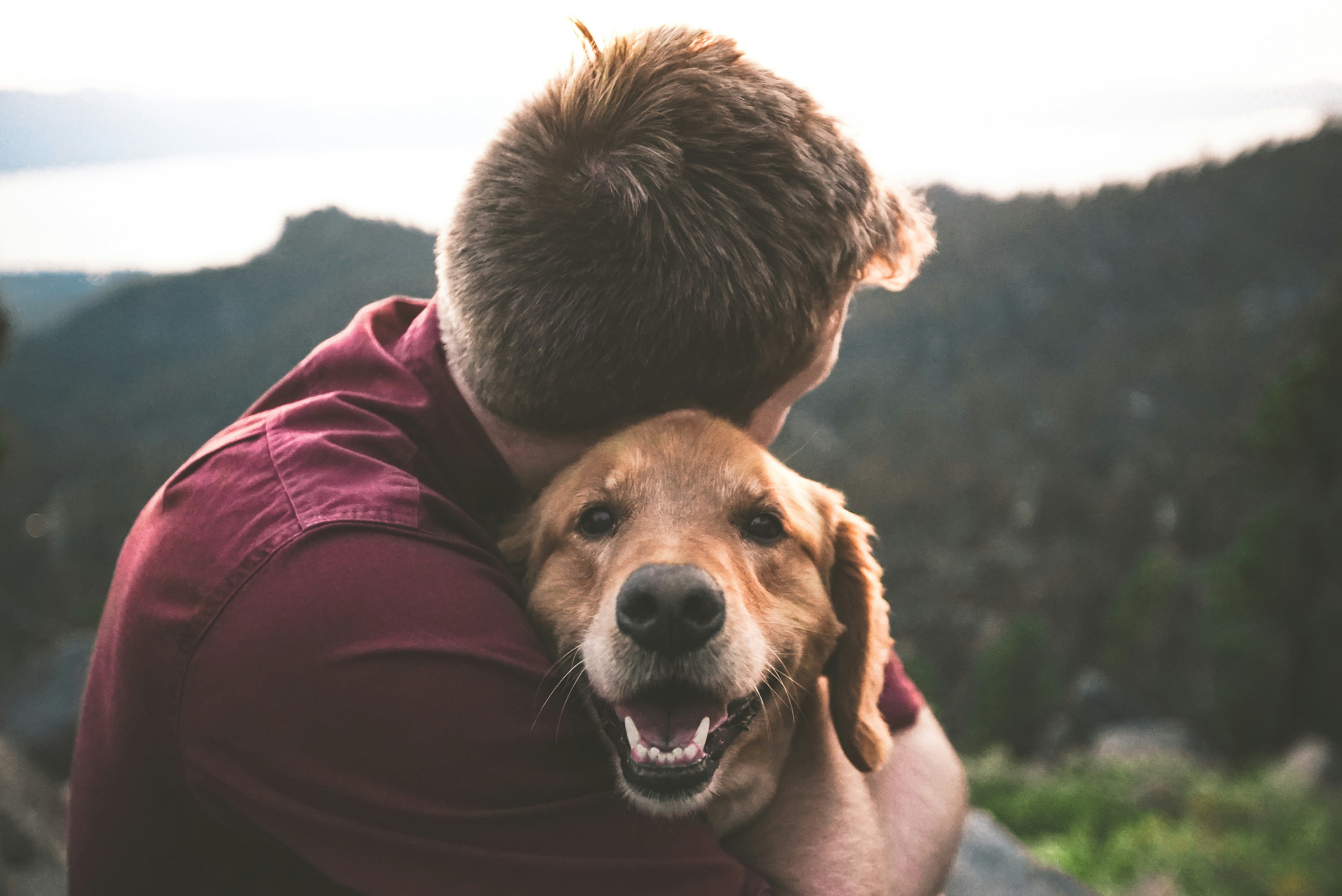
The death of a beloved pet can be one of the most emotionally painful experiences a person faces. For many individuals and families, pets are not simply animals; they are companions, sources of comfort, and cherished members of the household. They provide unconditional affection, daily routines, emotional support, and a sense of connection that often becomes deeply woven into a person's life. When that relationship ends through death, the resulting grief can be profound.
Despite the significance of this loss, pet bereavement is often minimized or misunderstood. Well-intentioned comments such as "you can always get another pet" or "it was only an animal" can leave grieving individuals feeling isolated and reluctant to express their emotions. However, emerging research continues to demonstrate that grief following the death of a pet is a legitimate and meaningful psychological experience that can have a substantial impact on mental health.
Humans form strong emotional attachments to their pets. These bonds are often characterized by companionship, consistency, trust, and unconditional acceptance. Unlike many human relationships, pets do not judge, criticize, or place expectations on us. They become part of our daily routines, celebrations, and coping strategies during difficult times.
The loss of a pet can therefore represent much more than the death of an animal. It may also mean the loss of a source of emotional support, a daily companion, a sense of purpose, or a connection that provided comfort during periods of stress, loneliness, or life transitions. For individuals who live alone, have experienced other losses, or rely on their pet for emotional support, the impact may be particularly significant.
Grief following the death of a pet can affect emotional, cognitive, physical, and social functioning. Common reactions include sadness, crying, loneliness, guilt, anger, anxiety, difficulty concentrating, changes in sleep, and fluctuations in appetite. Some people may find themselves repeatedly thinking about their pet, revisiting memories, or struggling with the absence of routines that once revolved around their companion animal.
These reactions are generally considered normal responses to loss. However, for some individuals, grief may become more persistent and disruptive over time.
Recent research published in PLOS One examined bereavement experiences among 975 adults in the United Kingdom. Approximately one-third of participants reported having experienced the death of a beloved pet. Among those who had experienced both human and pet loss, 21% identified the death of their pet as the most distressing loss they had ever experienced, even when compared to the death of a family member or close friend. Furthermore, approximately 7.5% of individuals who lost a pet met criteria consistent with prolonged grief disorder, a rate comparable to that observed following several types of human bereavement. These findings challenge the common assumption that pet loss is inherently less significant than the loss of a human loved one.
Most people gradually adapt to a significant loss, although the process is rarely linear. Grief often comes in waves, with periods of intense sadness alternating with moments of adjustment and acceptance. Over time, many individuals learn to carry the memory of their pet while re-engaging in daily life.
However, some people experience prolonged grief, a condition characterized by persistent yearning, emotional pain, difficulty accepting the loss, and significant impairment in daily functioning that continues well beyond what might be expected during the normal grieving process. Symptoms can interfere with work, relationships, self-care, and overall quality of life. Research suggests that the experience of prolonged grief following pet loss can closely resemble prolonged grief experienced after the death of a person.
It is important to recognize that experiencing intense grief does not automatically indicate a mental health condition. Rather, concern arises when symptoms remain severe, persistent, and significantly disruptive to daily functioning over an extended period.
One factor that can complicate recovery after pet loss is what mental health professionals often refer to as disenfranchised grief. This occurs when a loss is not fully recognized, validated, or supported by society.
Because pet bereavement is sometimes viewed as less important than human bereavement, grieving individuals may feel embarrassed, ashamed, or reluctant to discuss their feelings. They may believe they should "move on" more quickly or question whether their emotional reactions are appropriate. Unfortunately, this lack of validation can increase feelings of loneliness and make the grieving process more difficult. Acknowledging the legitimacy of pet loss is therefore an important step toward emotional healing. Grief is not measured by the species of the individual who died but by the significance of the relationship that was lost.
While there is no single "right" way to grieve, several strategies may support emotional adjustment following the death of a pet. Allowing yourself to experience and express emotions is often an important first step. Suppressing grief does not eliminate it and may prolong emotional distress. Talking with trusted friends, family members, support groups, or mental health professionals can provide valuable validation and support.
Creating meaningful rituals can also help. Some individuals find comfort in holding a memorial service, creating a photo album, planting a tree, making a donation to an animal welfare organization, or writing about memories shared with their pet. These activities can help preserve the bond while acknowledging the reality of the loss.
Maintaining physical health is equally important during periods of grief. Regular sleep, balanced nutrition, physical activity, and social connection can help support emotional resilience and reduce the risk of worsening mental health symptoms.
For households with other pets, maintaining routines can provide stability for both the surviving animals and their owners. Pets may also experience changes in behaviour following the loss of a companion animal, making consistency especially valuable.
Although grief is a normal response to loss, professional support may be beneficial if symptoms become overwhelming or persistent. Individuals should consider seeking help if grief significantly interferes with daily functioning, leads to prolonged social withdrawal, contributes to depression or anxiety, or is accompanied by persistent physical symptoms such as fatigue, headaches, or dizziness. Research examining pet bereavement has highlighted the importance of monitoring both emotional and physical health during periods of intense grief.
Mental health professionals can provide support, coping strategies, and evidence-based interventions that help individuals navigate the grieving process while honouring the significance of their loss.
The death of a pet represents the loss of a meaningful relationship, and the grief that follows is real. While society may not always recognize the depth of this experience, research increasingly demonstrates that pet loss can have a significant impact on mental health and, for some individuals, can lead to prolonged and debilitating grief.
Recognizing pet bereavement as a valid form of grief allows individuals to approach their emotions with greater self-compassion and understanding. Healing does not mean forgetting a beloved companion; rather, it involves learning to carry the memories, love, and connection forward while gradually adapting to life without their physical presence. For many people, the depth of grief experienced after a pet's death reflects the depth of the bond that existed during life. That bond, and the sorrow that accompanies its loss, deserves acknowledgment, support, and care.
The grief that follows the loss of a beloved pet can be overwhelming, isolating, and difficult to explain to others. While grief is a natural response to loss, there are times when the emotional impact can begin to affect your daily life, relationships, sleep, or overall well-being.
At VOX Mental Health, our therapists understand that pet loss is a meaningful form of bereavement. Whether you are struggling with sadness, guilt, loneliness, anticipatory grief, or the difficult decision surrounding euthanasia, therapy can provide a supportive space to process your emotions and develop healthy coping strategies. You do not have to minimize your grief or carry it alone. If the loss of a pet is affecting your mental health, reaching out for support is a sign of strength, not weakness.
Contact VOX Mental Health today to learn how therapy can help you navigate grief with compassion, understanding, and care.